Groundfish Trawl Electronic Monitoring Programs
Project Overview Archipelago provides electronic monitoring equipment (EM) and services to groundfish trawl vessels in…


Project Overview Archipelago provides electronic monitoring equipment (EM) and services to groundfish trawl vessels in…
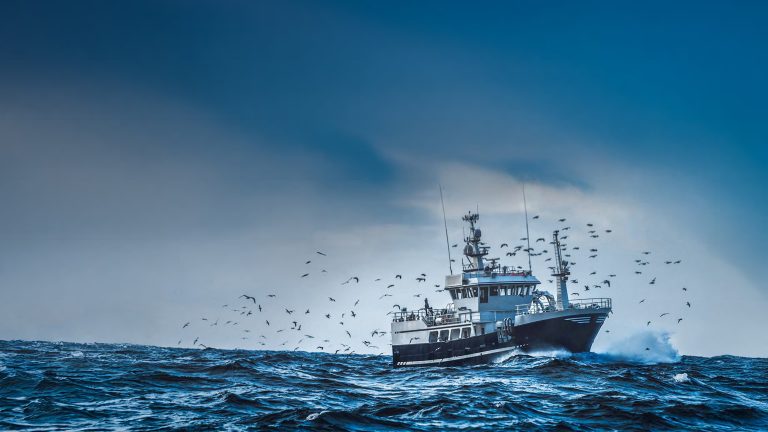
The US Alaska Pollock Trawl electronic monitoring program evaluates EM as a cost-effective alternative to at-sea observers, improving compliance monitoring and data quality for pollock fisheries, with data processing coordinated by the Pacific States Marine Fisheries Commission.
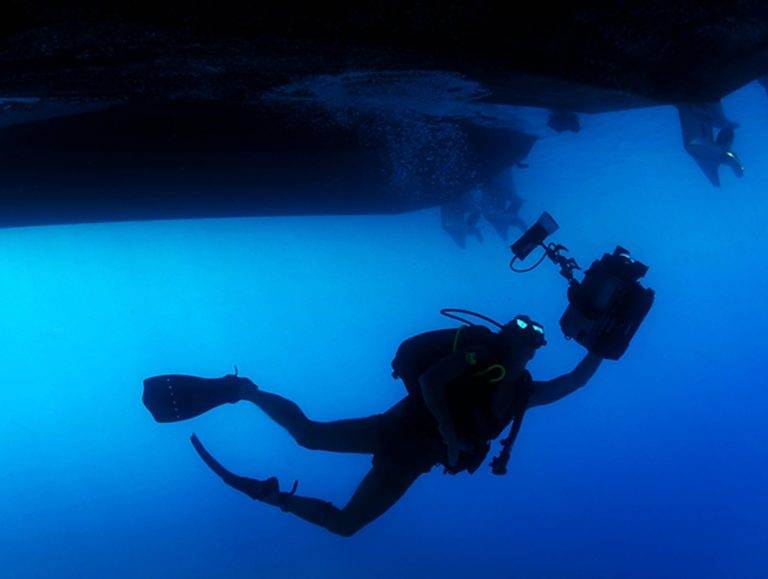
Archipelago introduces LIME, a low-cost electronic monitoring device that reduces barriers to fisheries data collection by combining entry-level monitoring capabilities with integrated vessel tracking and security, supporting broader adoption of electronic monitoring and regulatory compliance.

A group of Sitka and Homer longliners hope to demonstrate this season that electronic monitoring can collect most of the data needed for managing the hook and line fisheries.
The pilot project is part of an ongoing effort by the Alaska Longline Fishermen’s Association and other longline groups to integrate electronic monitoring as an alternative to having observers aboard boats that longline for sablefish and halibut.

During the summer of 2002, Archipelago worked with the International Pacific Halibut Commission to pilot test the option of using CCTV-based electronic monitoring equipment for monitoring seabird bycatch within the Alaska longline halibut fishery.

In 2002, a small-scale demonstration fishery set out to explore individual quota allocation as an alternative management approach in the salmon troll fishery.
Archipelago was contracted by the Area H Gulf Troller’s Association to provide a comprehensive salmon troll monitoring program, collecting information needed to evaluate the potential of this alternative fishery management method.
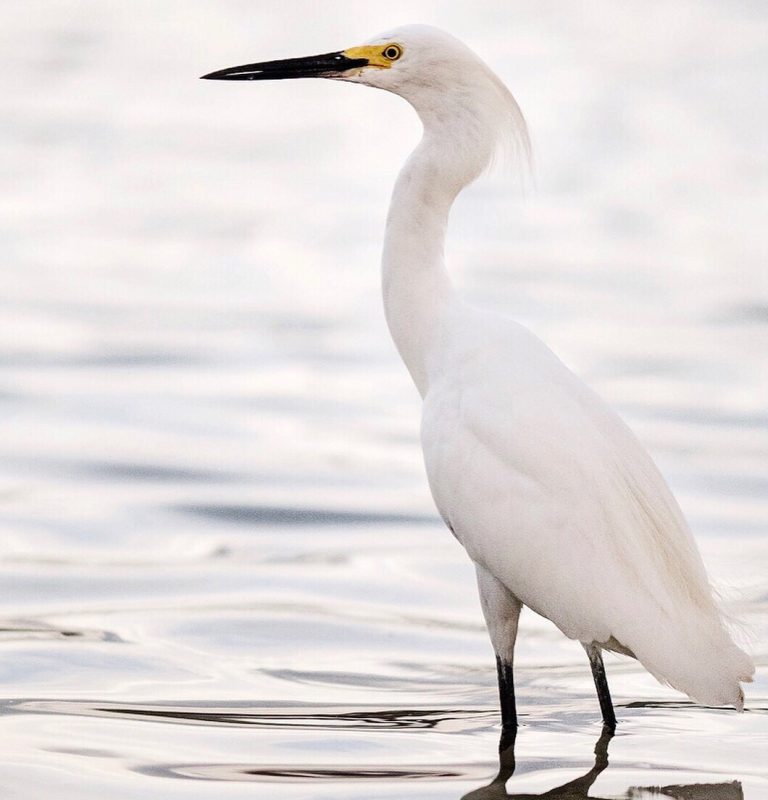
Seabird mortality resulting from interactions with the third-wire has been documented, but observers deployed to these vessels have other critical duties important to fisheries management and science that preclude a comprehensive assessment of this issue. Monitoring the third-wire on several types of trawl vessels is the critical component to evaluating the threat to short-tailed albatross.

The Area ‘A’ crab fishery employed a fleet of about 50 vessels fishing for Dungeness crab in northern British Columbia. During the 1990s, the crab fishery intensified in terms of catch, the number of vessels involved and amount of trap gear deployed. Escalation of the fishery resulted in a dramatic increase in fishing effort with more than 50,000 traps being deployed.

In 2001, Archipelago updated an earlier compliance monitoring infrastructure at BC’s sablefish seamount fishery with an onboard electronic monitoring alternative. The new equipment allowed for rapid data processing and improved access to specific fishing activity imagery.
Collaborate with a team built for complex programs. We’ll help you collect, review, and report decision-ready information with confidence.