-
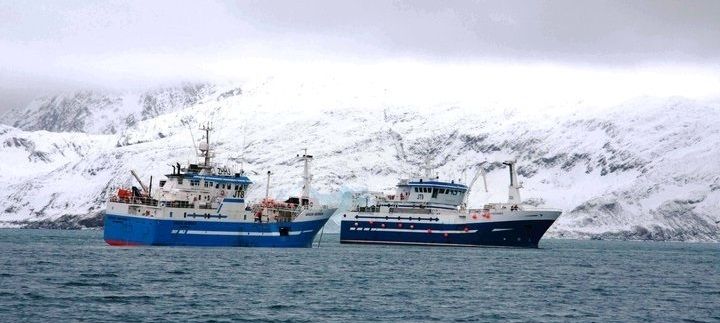
Monitoring Seabird Conservation in the South Georgia Patagonian Toothfish Fishery
Archipelago supports seabird conservation in the South Georgia Patagonian Toothfish fishery through electronic monitoring and observer programs that verify mitigation measures, ensure regulatory compliance, and provide reliable evidence of responsible fishing practices in sensitive marine environments.
-
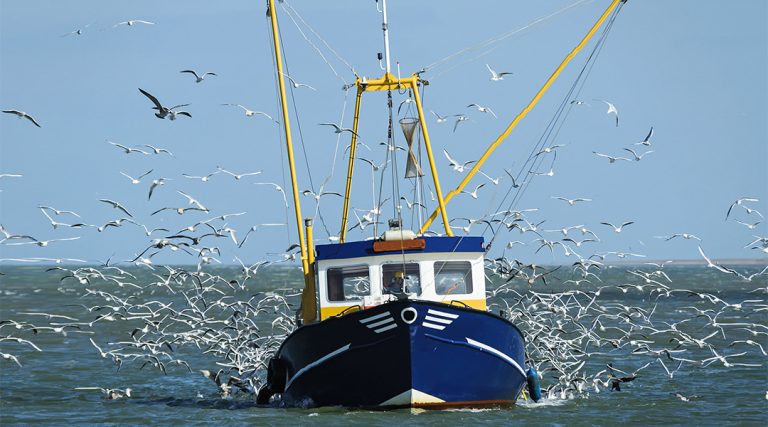
EM In Australia’s Tuna And Billfish Fisheries (AFMA)
The Australian Fisheries Management Authority regulates the nation’s pelagic longliners, and together with Archipelago Asia Pacific, has introduce a world-leading electronic monitoring system to keep watch on what these vessels catch and where they go. It’s all part of the management to protect both target and bycatch species in Australian waters.
-

Monitoring Catch And Reducing Discards Within English Fisheries
A Catch Quota Project in England is tracking “total catch” at sea to help support responsible resource management within commercial fisheries. Rather than just counting the fish that make it to the dock, the Catch Quota Project equips each vessel with an electronic monitoring system to accurately account for all catch—including fish discarded at sea—and help fishermen verify quotas, eliminate waste, and encourage selective fishing practices.
-

Managing BC’s Groundfish Hook and Line / Trap Catch Monitoring Program
To help ensure the long-term sustainability of British Columbia’s groundfish fishery, Fisheries and Oceans Canada worked with Archipelago to introduce an at-sea monitoring program that would accurately assess at-sea fishing activity across the entire fishery.
-

Catch Monitoring In The Pacific Whiting Fishery
The US West Coast mid-water trawl fishery for Pacific whiting has adopted EM to help manage quotas, reduce discards, and control costs. Introduced as an automated alternative to onboard observers more than a decade ago …
-
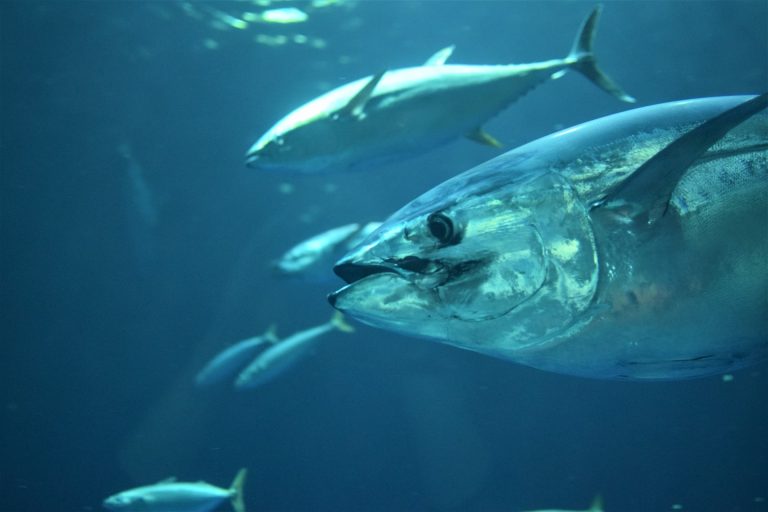
Electronic Monitoring on Tropical Tuna Vessels
In 2011, Spanish purse seiner Playa de Bakio became the world’s first tropical tuna vessel to test the latest in electronic monitoring technology. Equipped with both a CCTV-based monitoring system and onboard observers, the test vessel enabled researchers to compare the advantages and challenges of each, and to ultimately determine whether an automated monitoring system could serve as a viable alternative to onboard observers.
-

Monitoring To Reduce Bycatch Within B.C Salmon Fisheries
British Columbia’s salmon fisheries were the first to participate in the Canadian Department of Fisheries selective fishing initiatives. The Selective Fisheries Program was introduced as an industry-led initiative to reduce bycatch and promote selective fishing.
-

Compliance Monitoring In British Columbia’s Sablefish Seamount Fishery
In 2001, Archipelago updated an earlier compliance monitoring infrastructure at BC’s sablefish seamount fishery with an onboard electronic monitoring alternative. The new equipment allowed for rapid data processing and improved access to specific fishing activity imagery.
-

Monitoring the Area ‘A’ Crab Fishery
The Area ‘A’ crab fishery employed a fleet of about 50 vessels fishing for Dungeness crab in northern British Columbia. During the 1990s, the crab fishery intensified in terms of catch, the number of vessels involved and amount of trap gear deployed. Escalation of the fishery resulted in a dramatic increase in fishing effort with more than 50,000 traps being deployed.